
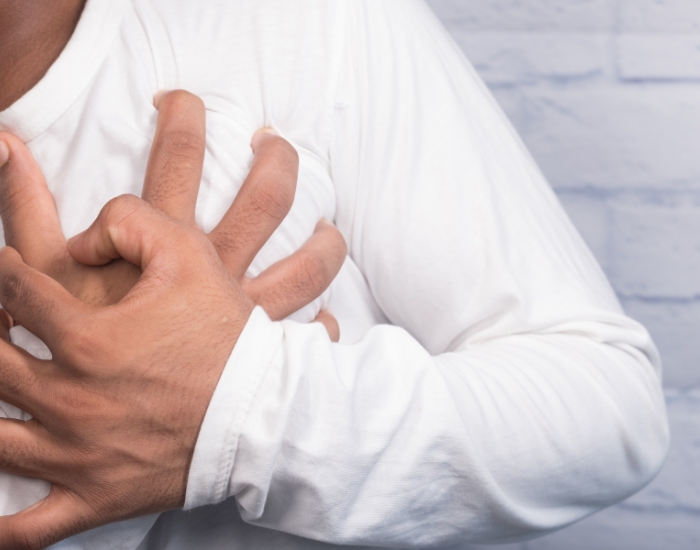
Chest pain can be alarming, as it may signal anything from a minor muscle strain to a serious medical emergency. Understanding what is the fastest way to get rid of chest pain in TX is critical for immediate relief and safety. Chest pain can arise from multiple causes, including heart-related conditions, digestive issues, lung problems, or muscular strain. Recognizing symptoms, understanding potential causes, and knowing when to seek urgent medical care can save lives and reduce complications. This guide provides an in-depth look at chest pain relief strategies, causes, and treatment options tailored for individuals in Texas.
Table of Contents
- Understanding Chest Pain
- Common Causes of Chest Pain
- Early Warning Signs
- When Chest Pain Is an Emergency
- Non-Heart-Related Causes
- Fast Relief Strategies
- Medical Treatments and Interventions
- Lifestyle Measures for Prevention
- What Is the Fastest Way to Get Rid of Chest Pain in TX
- Final Thoughts
1. Understanding Chest Pain
Chest pain refers to discomfort or pain in the area between the neck and upper abdomen. The sensation may range from sharp, stabbing pain to a dull ache, pressure, or tightness. Causes can vary widely, making it important to identify the underlying reason. While minor issues like muscle strain can resolve quickly, heart-related conditions or pulmonary problems require immediate evaluation.
2. Common Causes of Chest Pain
Chest pain arises from several sources, including:
- Cardiac Causes: Angina, heart attack, pericarditis, or arrhythmia
- Musculoskeletal Causes: Muscle strain, rib injuries, or costochondritis
- Digestive Causes: Acid reflux, heartburn, or esophageal spasms
- Respiratory Causes: Pulmonary embolism, pneumonia, or pleurisy
- Other Causes: Anxiety or panic attacks
Understanding the source is essential to determine the fastest and safest method for relief.
3. Early Warning Signs
Early warning signs that accompany chest pain may include:
- Shortness of breath
- Sweating or cold, clammy skin
- Pain radiating to the arm, jaw, neck, or back
- Nausea or vomiting
- Rapid or irregular heartbeat
Noticing these symptoms can help individuals determine if immediate medical attention is required.
4. When Chest Pain Is an Emergency
Some types of chest pain demand urgent evaluation. Seek emergency care if pain is:
- Sudden, severe, or crushing in nature
- Accompanied by dizziness, fainting, or extreme shortness of breath
- Radiating to the jaw, arm, or back
- Associated with nausea, vomiting, or cold sweats
These symptoms may indicate a heart attack or other life-threatening condition and require prompt intervention.
5. Non-Heart-Related Causes
Not all chest pain is heart-related. Muscle strain from exercise, poor posture, or heavy lifting can cause localized discomfort. Digestive problems like acid reflux can produce a burning sensation that mimics cardiac pain. Respiratory infections or inflammation of the rib cage can also contribute. Identifying non-cardiac causes is important to avoid unnecessary panic and to apply the most effective relief strategies.
6. Fast Relief Strategies
For mild, non-emergency chest pain, several strategies can help alleviate discomfort quickly. Resting in a comfortable position, either sitting upright or lying down, can relieve pressure on the chest. Slow, deep breathing exercises may reduce muscle tension and calm anxiety-related pain. Over-the-counter medications, such as antacids for acid reflux or mild pain relievers for musculoskeletal discomfort, can provide temporary relief. Applying a warm compress can ease tight muscles, while cold therapy may help reduce inflammation. Staying well-hydrated can also assist with certain digestive or muscular causes of chest pain. It is important to monitor symptoms carefully, and if pain persists or worsens, professional medical evaluation should be sought immediately.
7. Medical Treatments and Interventions
When home remedies are insufficient or the chest pain originates from a serious cause, medical intervention is necessary. Heart-related conditions may require medications, stent placement, or surgical procedures. Musculoskeletal pain can be addressed with prescription anti-inflammatories, physical therapy, or targeted injections. Digestive causes, such as acid reflux, may respond to acid-reducing medications or dietary adjustments. Respiratory-related pain might require antibiotics, anticoagulants, or other specific treatments. Seeking professional assessment ensures the fastest and safest resolution of chest pain, tailored to the underlying cause.
8. Lifestyle Measures for Prevention
Preventing recurring chest pain often involves adopting long-term lifestyle habits. Maintaining a healthy diet and weight, exercising regularly, and strengthening core muscles can reduce strain on the chest and supporting structures. Managing stress through relaxation techniques and limiting alcohol, caffeine, and tobacco use also contributes to prevention. Additionally, monitoring and controlling chronic conditions, such as high blood pressure or diabetes, can lower the risk of both cardiac and non-cardiac chest pain. Consistent attention to these habits supports overall cardiovascular and musculoskeletal health, helping prevent future episodes of discomfort.
9. What Is the Fastest Way to Get Rid of Chest Pain in TX
The fastest way to relieve chest pain in Texas depends on the underlying cause. For mild, non-cardiac pain, resting, practicing deep breathing, and using OTC medications may provide immediate relief. Muscle strain or minor injuries respond well to heat or cold therapy, while acid reflux can be alleviated with antacids or proper positioning. However, chest pain with severe, sudden, or radiating symptoms should never be treated at home. Prompt evaluation at Careprime Clinic ensures rapid diagnosis, targeted treatment, and reduced risk of serious complications.
10. Final Thoughts
Chest pain can range from mild discomfort to a medical emergency. Understanding its causes, recognizing warning signs, and knowing safe, effective relief methods is critical for timely care. Whether the pain is muscular, digestive, or cardiac in nature, taking action quickly improves outcomes and reduces the likelihood of further complications.
If you experience persistent or severe chest pain, schedule an evaluation at Careprime Clinic for professional assessment, fast relief strategies, and personalized treatment options.
Disclaimer: This blog is for informational purposes only and does not replace professional medical advice, diagnosis, or treatment. Always consult a qualified healthcare provider for any chest pain or related concerns.