Foot and mouth disease is a viral illness that often causes concern due to its rapid spread and uncomfortable symptoms. Understanding foot and mouth disease in TX is important for families, caregivers, and individuals seeking early recognition and proper care. Although commonly seen in children, this condition can affect people of all ages and is usually mild but highly contagious. Knowing how it spreads, what symptoms to expect, and when to seek medical attention can help reduce complications and prevent further transmission.
Table of Contents
- What Is Foot and Mouth Disease?
- Causes and Transmission
- Common Symptoms of Foot and Mouth Disease
- Diagnosis and Medical Evaluation
- Treatment and Symptom Management
- Home Care Strategies
- When to Seek Medical Attention
- Foot and Mouth Disease in TX: Prevention Tips
- Recovery and Outlook
- Final Thoughts
1. What Is Foot and Mouth Disease?
Foot and mouth disease is a contagious viral infection most commonly caused by enteroviruses. It is characterized by sores in the mouth and a rash or blisters on the hands and feet. Despite its name, foot and mouth disease in humans is different from the animal disease affecting livestock. In humans, it is generally mild and resolves on its own, but symptoms can cause discomfort and interfere with eating, drinking, and daily activities.
2. Causes and Transmission
Foot and mouth disease spreads easily through close contact. The virus is transmitted through respiratory droplets, saliva, nasal secretions, fluid from blisters, or contact with contaminated surfaces. Crowded environments such as schools, daycare centers, and households increase the risk of transmission. Poor hand hygiene and shared personal items can also contribute to the spread of the virus.
3. Common Symptoms of Foot and Mouth Disease
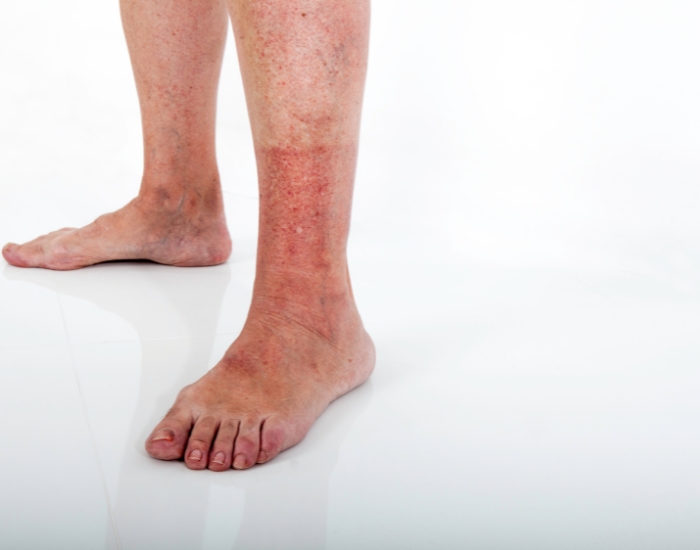
Symptoms of foot and mouth disease typically appear within a few days of exposure. Early signs often include mild fever, sore throat, and fatigue. As the illness progresses, painful sores may develop inside the mouth, making swallowing uncomfortable. A rash or small blisters can appear on the hands, feet, and sometimes on the legs or buttocks. Some individuals may also experience decreased appetite or general discomfort. While symptoms are usually mild, they can vary in severity.
4. Diagnosis and Medical Evaluation
Foot and mouth disease is typically diagnosed through a clinical examination and careful review of symptoms. Healthcare providers identify the condition by observing visible signs and ruling out similar illnesses. In most cases, advanced testing is unnecessary unless symptoms appear severe or atypical.
Diagnosis usually involves:
- Physical examination of mouth sores and skin rashes
- Review of recent symptoms and exposure history
- Assessment of fever, fatigue, and pain severity
- Laboratory testing only when symptoms are prolonged or unclear
- Accurate diagnosis ensures appropriate care while preventing unnecessary treatments and complications.
5. Treatment and Symptom Management
There is no specific antiviral cure for foot and mouth disease, as the infection generally resolves on its own within a short period. Treatment focuses on easing discomfort, managing symptoms, and supporting recovery.
Symptom management may include:
- Pain relievers to reduce fever and body discomfort
- Soothing mouth rinses or topical solutions for oral sores
- Adequate hydration to prevent dehydration
- Soft or cool foods to minimize irritation while eating
Supportive care helps improve comfort and promotes faster healing during recovery.
6. Home Care Strategies
Home care plays an important role in recovery from foot and mouth disease. Rest allows the body to heal more effectively. Drinking cool fluids and eating soft foods can reduce irritation from mouth sores. Maintaining good hygiene, such as frequent handwashing and cleaning commonly touched surfaces, helps prevent spreading the virus to others. Avoiding close contact with vulnerable individuals is also recommended during recovery.
7. When to Seek Medical Attention
Medical evaluation is recommended if symptoms worsen or do not improve within several days. Seek care if there is persistent high fever, signs of dehydration, severe pain, or difficulty swallowing. Infants, young children, or individuals with weakened immune systems may require closer monitoring. Prompt medical attention helps prevent complications and ensures proper symptom management.
8. Foot and Mouth Disease in TX: Prevention Tips
Preventing foot and mouth disease involves practicing good hygiene and minimizing exposure. Regular handwashing with soap and water is one of the most effective preventive measures. Disinfecting shared surfaces and avoiding close contact with infected individuals can reduce the risk of transmission. Teaching children proper hygiene habits and keeping them home when sick also helps prevent outbreaks in community settings.
9. Recovery and Outlook
Most people recover from foot and mouth disease within one to two weeks without long-term complications. As symptoms resolve, normal activities can gradually resume. Immunity to the specific virus may develop, but reinfection with a different strain is possible. Maintaining preventive habits helps reduce the risk of future illness.
10. Final Thoughts
Foot and mouth disease is a common viral illness that, while uncomfortable, is usually mild and self-limiting. Understanding symptoms, transmission, and care options empowers individuals and families to manage the condition effectively. Early recognition and supportive care are key to a smooth recovery and preventing spread within the community.
If you or a family member experience symptoms of foot and mouth disease, schedule an evaluation with Careprime Clinic for accurate diagnosis, symptom guidance, and professional medical support.
Disclaimer: This content is for informational purposes only and does not replace professional medical advice, diagnosis, or treatment. Always consult a qualified healthcare provider for concerns related to symptoms or infectious conditions.