
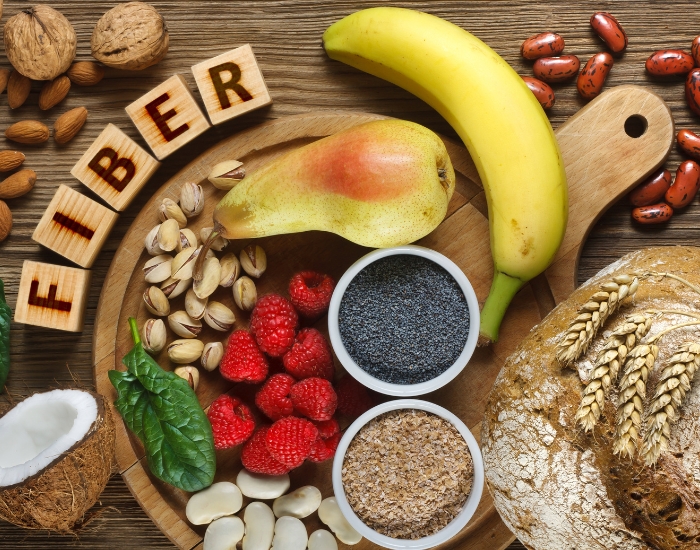
Dietary fiber is a vital component of a healthy diet, aiding digestion, supporting heart health, and regulating blood sugar levels. Understanding the highest dietary fiber foods can help residents in Texas improve their overall wellness while preventing chronic conditions such as constipation, diabetes, and heart disease. Fiber-rich foods include fruits, vegetables, whole grains, legumes, nuts, and seeds. This comprehensive guide explains the benefits of dietary fiber, highlights the top sources, and provides practical tips for incorporating them into daily meals.
Table of Contents
- What Is Dietary Fiber?
- Health Benefits of Dietary Fiber
- Types of Dietary Fiber
- Highest Dietary Fiber Foods in TX: Top Sources
- Fiber-Rich Fruits and Vegetables
- Legumes, Nuts, and Seeds
- Whole Grains and Cereal Options
- Tips for Incorporating More Fiber
- Potential Side Effects of Excess Fiber
- Final Thoughts
1. What Is Dietary Fiber?
Dietary fiber refers to plant-based carbohydrates that the body cannot fully digest. Unlike other nutrients, fiber passes through the digestive system largely intact, aiding in bowel regularity and promoting healthy gut bacteria. Fiber can be found in a variety of foods, including fruits, vegetables, grains, legumes, nuts, and seeds. Including sufficient fiber in the diet is essential for maintaining digestive health and overall wellness.
2. Health Benefits of Dietary Fiber
High fiber intake provides a wide range of health benefits that support overall wellness. Fiber promotes digestive health by preventing constipation and encouraging regular bowel movements. It also contributes to heart health by helping to lower cholesterol levels and reduce the risk of cardiovascular disease. Additionally, fiber helps regulate blood sugar by slowing the absorption of sugar, which stabilizes glucose levels. Including fiber-rich foods in your diet can aid in weight management, as it promotes a feeling of fullness and reduces overeating. Fiber also nourishes beneficial gut bacteria, enhancing digestion and boosting immunity. Understanding these benefits highlights why including fiber in daily meals is so important.
3. Types of Dietary Fiber
Dietary fiber is broadly classified into two types: soluble and insoluble. Soluble fiber dissolves in water, forming a gel-like substance that can help lower cholesterol and control blood sugar levels. Foods such as oats, beans, lentils, apples, and citrus fruits are rich in soluble fiber. Insoluble fiber, on the other hand, does not dissolve in water but adds bulk to the stool, promoting regular bowel movements. Whole grains, nuts, seeds, and many vegetables are excellent sources of insoluble fiber. A balanced diet that includes both types of fiber maximizes health benefits and supports overall digestive and metabolic health.
4. Highest Dietary Fiber Foods in TX: Top Sources
For Texans seeking the highest dietary fiber foods in TX, incorporating a variety of plant-based items is essential. Foods rich in fiber not only support digestive health but also improve overall nutrition. Some of the top sources include beans, lentils, whole grains, fruits, vegetables, nuts, and seeds. Selecting locally available and seasonal produce ensures freshness and better nutrient content.
5. Fiber-Rich Fruits and Vegetables
Many fruits and vegetables are excellent sources of fiber. Examples include:
- Berries: Raspberries, blackberries, and strawberries provide high soluble and insoluble fiber.
- Apples and Pears: Especially when eaten with the skin.
- Leafy Greens: Spinach, kale, and Swiss chard add fiber and essential vitamins.
- Broccoli and Brussels Sprouts: Rich in both fiber and antioxidants.
- Carrots and Sweet Potatoes: Provide fiber along with beta-carotene and other nutrients.
Including a colorful variety of produce maximizes fiber intake and overall nutrient diversity.
6. Legumes, Nuts, and Seeds
Legumes, nuts, and seeds are among the most concentrated sources of dietary fiber. Key examples include:
- Beans: Black beans, kidney beans, and chickpeas are high in soluble fiber.
- Lentils: Provide both protein and fiber for sustained energy.
- Chia Seeds and Flaxseeds: Packed with soluble fiber and healthy omega-3 fats.
- Almonds and Walnuts: Offer fiber, protein, and heart-healthy fats.
Incorporating these foods into meals or snacks enhances fiber content while supporting heart and gut health.
7. Whole Grains and Cereal Options
Whole grains are another essential source of fiber. Examples include:
- Oats: Rich in soluble fiber, helpful for cholesterol control.
- Quinoa: Provides protein and fiber, making it a complete meal option.
- Brown Rice and Barley: High in insoluble fiber to support regular digestion.
- Whole Wheat Bread and Pasta: Incorporate into meals to boost daily fiber intake.
Choosing whole grains over refined grains ensures maximum fiber and nutrient retention.
8. Tips for Incorporating More Fiber
There are several practical strategies to increase fiber intake throughout the day. Starting the morning with a high-fiber breakfast, such as oatmeal or whole-grain cereal, is an effective way to begin the day. Adding beans or lentils to soups, salads, and stews enhances fiber content in meals. Including at least one fruit or vegetable in every meal and snacking on nuts, seeds, or fresh fruit instead of processed foods can further boost fiber intake. It is important to increase fiber gradually to avoid digestive discomfort and to drink plenty of water to aid digestion. Consistency and variety are key to maintaining a fiber-rich diet without gastrointestinal issues.
9. Potential Side Effects of Excess Fiber
There are several practical strategies to increase fiber intake throughout the day. Starting the morning with a high-fiber breakfast, such as oatmeal or whole-grain cereal, is an effective way to begin the day. Adding beans or lentils to soups, salads, and stews enhances fiber content in meals. Including at least one fruit or vegetable in every meal and snacking on nuts, seeds, or fresh fruit instead of processed foods can further boost fiber intake. It is important to increase fiber gradually to avoid digestive discomfort and to drink plenty of water to aid digestion. Consistency and variety are key to maintaining a fiber-rich diet without gastrointestinal issues.
10. Final Thoughts
Including the highest dietary fiber foods in TX in daily meals offers significant health benefits, from improved digestion to heart protection and weight management. A varied diet of fruits, vegetables, legumes, nuts, seeds, and whole grains ensures adequate fiber intake while supporting overall nutrition. Gradual, consistent incorporation of these foods can help Texans maintain long-term health and prevent common chronic conditions.
If you want guidance on designing a high-fiber, balanced diet, schedule a consultation with Careprime Clinic for personalized nutrition advice and meal planning.
Disclaimer: This blog is for informational purposes only and does not replace professional medical or nutritional advice. Always consult a healthcare or nutrition professional regarding dietary changes or health concerns.