
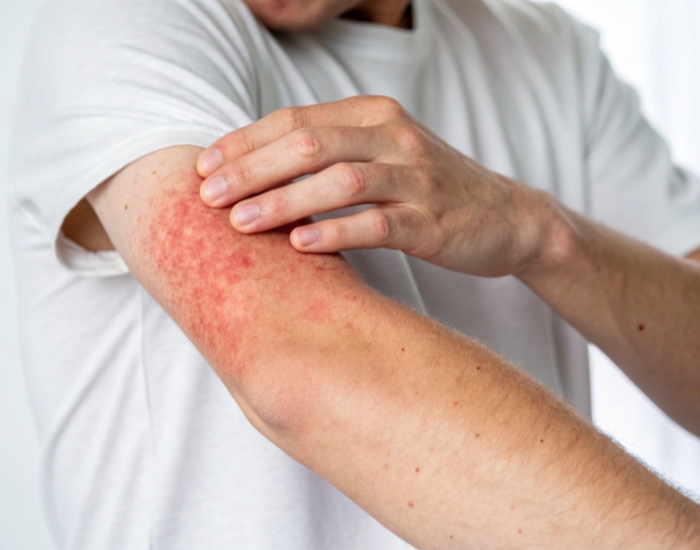
Sun exposure can be enjoyable, but excessive ultraviolet (UV) rays can cause a serious skin reaction known as sun poisoning. Recognizing the sun poisoning rash TX early is essential to prevent complications and seek timely treatment. Unlike mild sunburn, sun poisoning may include severe redness, blisters, swelling, and other systemic symptoms. Understanding the causes, warning signs, and treatment options can help individuals in Texas manage symptoms effectively and reduce the risk of long-term skin damage.
Table of Contents
- What Is Sun Poisoning?
- Causes of Sun Poisoning Rash
- Early Symptoms
- Severe or Advanced Symptoms
- Risk Factors
- Diagnosis and Medical Evaluation
- Treatment Options
- Home Care Strategies
- Sun Poisoning Rash TX: Key Recommendations
- Preventive Measures
- Final Thoughts
1. What Is Sun Poisoning?
Sun poisoning is a severe skin reaction to overexposure to UV rays, often more intense than a standard sunburn. It can cause extreme redness, swelling, blistering, and pain. In some cases, sun poisoning triggers systemic reactions such as fever, nausea, dizziness, or fatigue. Unlike mild sunburn, which affects the outer layer of the skin, sun poisoning can penetrate deeper layers, leading to more significant discomfort and potential complications.
2. Causes of Sun Poisoning Rash
The primary cause of a sun poisoning rash TX is excessive exposure to the sun’s ultraviolet A (UVA) and ultraviolet B (UVB) rays. Individuals with fair or sensitive skin are particularly prone to severe reactions, as lighter skin tones absorb UV rays more easily. Prolonged outdoor activity without protective measures further increases the risk of developing a rash. Certain medications or skincare products can also make the skin more photosensitive, heightening the likelihood of sun poisoning.
Additionally, genetic factors and a history of sun sensitivity or skin disorders can make some individuals more susceptible. Understanding these causes allows people to identify their personal risk and take preventive precautions before sun exposure.
3. Early Symptoms
Early symptoms of sun poisoning typically appear within hours of excessive sun exposure. These include intense redness, warmth, and itching of the skin. Swelling or raised bumps may develop, along with a stinging or burning sensation. Some individuals may experience mild fatigue or discomfort, signaling the need for immediate cooling and protective measures.
4. Severe or Advanced Symptoms
If left untreated, sun poisoning can lead to more severe symptoms. Blistering or peeling skin may develop, along with severe pain and localized swelling. Systemic symptoms such as fever, chills, nausea, headache, or dizziness can occur, indicating the body’s response to extreme UV exposure. In rare cases, dehydration or infection can result from damaged skin, requiring prompt medical attention.
5. Risk Factors
Several factors increase the likelihood of developing sun poisoning, including:
- Fair or light skin that burns easily
- History of sunburns or photosensitivity
- Use of photosensitizing medications (e.g., certain antibiotics, diuretics)
- Outdoor activities during peak sunlight hours (10 a.m.–4 p.m.)
- Lack of protective clothing, sunscreen, or hats
Identifying these risk factors allows individuals to take preventive measures and reduce the severity of a sun poisoning rash.
6. Diagnosis and Medical Evaluation
Diagnosing a sun poisoning rash typically involves a physical examination of the skin. Healthcare providers assess the extent of redness, swelling, blistering, and any signs of systemic reactions. In some cases, further evaluation may be needed to rule out allergic reactions, infections, or other skin conditions. Accurate diagnosis ensures that appropriate treatment, including topical or systemic therapy, is administered promptly.
7. Treatment Options
Treatment for sun poisoning depends on the severity of the rash and symptoms:
- Mild Cases:
Cool compresses, soothing lotions such as aloe vera, and over-the-counter anti-inflammatory medications can help reduce discomfort. Hydration and rest are also important. - Moderate to Severe Cases:
Prescription-strength topical steroids, pain relief medications, or oral antihistamines may be recommended. Blistering skin should be kept clean to prevent infection. - Systemic Symptoms:
If fever, nausea, or dizziness is present, professional medical attention is essential. In some cases, intravenous fluids or additional interventions may be required to stabilize the patient.
Early treatment is critical to relieve symptoms and prevent long-term skin damage.
8. Home Care Strategies
Home care can be very effective for mild sun poisoning, helping to soothe the skin and support healing. Applying cool compresses to affected areas several times a day can relieve heat and reduce inflammation. Gentle moisturizers or aloe vera can help calm irritation, while staying well-hydrated aids overall recovery. Avoiding further sun exposure until the skin has healed and wearing loose, breathable clothing can prevent additional irritation. While these measures are helpful for mild cases, persistent or severe symptoms should always be evaluated by a healthcare professional to ensure proper treatment.
9. Sun Poisoning Rash in TX: Key Recommendations
For Texans experiencing a sun poisoning rash in TX, early recognition and intervention are essential. Mild symptoms should be treated immediately with cooling, hydration, and skin-soothing measures. Moderate to severe reactions require consultation with a healthcare provider for prescription medications or further care. Limiting sun exposure during peak hours, using broad-spectrum sunscreen, and wearing protective clothing significantly reduce the risk of recurrence. Prompt management improves recovery time and minimizes long-term skin damage.
10. Preventive Measures
Preventing sun poisoning is far more effective than treating it after it occurs. Applying broad-spectrum sunscreen with at least SPF 30 before sun exposure is essential, and reapplying every two hours—or after swimming or sweating—ensures continued protection. Wearing hats, sunglasses, and protective clothing can further shield the skin from harmful UV rays. Limiting time outdoors during peak sunlight hours reduces risk, and individuals taking medications that increase photosensitivity should take extra precautions. Consistently following these preventive measures helps protect the skin and minimize the chance of serious reactions.
11. Final Thoughts
Sun poisoning is a severe reaction to overexposure to UV rays that can cause intense discomfort and systemic symptoms. Understanding the causes, recognizing early signs, and seeking timely treatment can reduce the severity of a sun poisoning rash and prevent long-term damage. Awareness and preventive habits are essential for safe sun exposure.
If you experience persistent or severe sun-induced skin reactions, consult Careprime Clinic for expert evaluation, diagnosis, and personalized treatment options.
Disclaimer: This blog is for informational purposes only and is not a substitute for professional medical advice, diagnosis, or treatment. Always seek the guidance of a qualified healthcare provider with any concerns regarding sun exposure or skin reactions.