Thyroid disorders affect millions of people globally, and hypothyroidism is one of the most common conditions impacting thyroid function. In Texas, thyroid disorders and hypothyroidism in TX are frequently diagnosed due to widespread awareness and routine health checkups. Hypothyroidism occurs when the thyroid gland does not produce enough hormones, disrupting metabolism and leading to a variety of physical and cognitive symptoms. Early recognition and treatment are essential to manage symptoms effectively and prevent complications. This comprehensive guide explains the causes, symptoms, diagnosis, treatment options, and lifestyle measures for hypothyroidism and other thyroid disorders.
Table of Contents
- What Are Thyroid Disorders?
- Understanding Hypothyroidism
- Causes and Risk Factors of Hypothyroidism
- Early Symptoms to Watch For
- Diagnosis and Medical Evaluation
- Treatment Options for Hypothyroidism
- Lifestyle and Dietary Considerations
- Prevention and Regular Monitoring
- When to Seek Medical Attention
- Final Thoughts
1. What Are Thyroid Disorders?
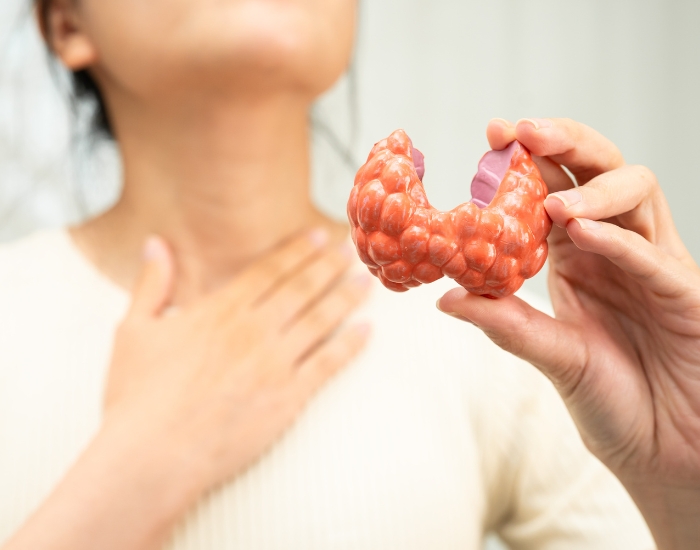
Thyroid disorders refer to conditions that affect the thyroid gland, a small butterfly-shaped organ located in the front of the neck. This gland produces hormones that regulate metabolism, heart rate, body temperature, and energy levels. Common thyroid disorders include hypothyroidism, hyperthyroidism, goiter, and thyroid nodules. Each condition affects hormone production differently and may present with a wide range of symptoms. Understanding the specific disorder is crucial for proper diagnosis and treatment.
2. Understanding Hypothyroidism
Hypothyroidism occurs when the thyroid gland produces insufficient levels of thyroid hormones, slowing down metabolic processes. This can result in fatigue, weight gain, cold intolerance, dry skin, hair thinning, and difficulty concentrating. In severe or prolonged cases, untreated hypothyroidism may lead to complications such as heart disease, infertility, or myxedema. Timely identification and treatment of thyroid disorders and hypothyroidism in TX can improve quality of life and prevent serious health issues.
3. Causes and Risk Factors of Hypothyroidism
Several factors can trigger hypothyroidism, and some individuals are at higher risk than others. The most common cause is autoimmune thyroiditis, also known as Hashimoto’s disease, where the immune system attacks the thyroid gland. Other causes include iodine deficiency, certain medications, radiation therapy, or surgical removal of the thyroid. Risk factors include:
- Age: More common in adults over 50
- Gender: Women are more likely to develop hypothyroidism
- Family History: Genetics may increase susceptibility
- Existing Autoimmune Conditions: Such as type 1 diabetes or lupus
- Pregnancy: Can sometimes trigger thyroid dysfunction
Recognizing these causes and risk factors helps individuals take preventive measures and seek timely evaluation.
4. Early Symptoms to Watch For
Hypothyroidism often develops gradually, making early recognition important. Symptoms may be subtle at first and can be mistaken for normal fatigue or aging. Common early signs include:
- Fatigue and low energy
- Weight gain despite unchanged diet
- Cold intolerance or feeling unusually cold
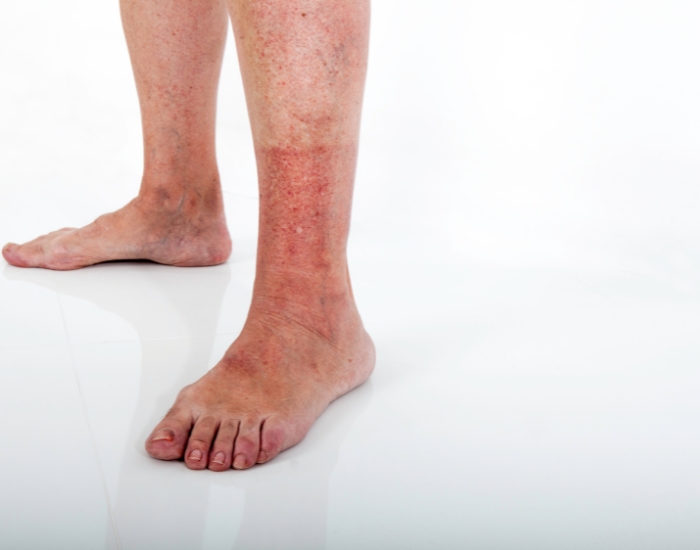
- Dry, coarse skin and brittle hair
- Constipation
- Swelling in the face, hands, or feet
- Mood changes, such as depression or irritability
- Memory lapses or difficulty concentrating
Monitoring these symptoms and consulting a healthcare provider promptly allows for early diagnosis and effective management.
5. Diagnosis and Medical Evaluation
Diagnosis of hypothyroidism involves a combination of physical examination, medical history review, and laboratory testing. A healthcare provider may check for signs like slow reflexes, dry skin, or a swollen thyroid. Blood tests are the most definitive method, measuring levels of thyroid-stimulating hormone (TSH) and thyroxine (T4). Elevated TSH and low T4 typically confirm hypothyroidism. Additional tests, such as thyroid antibodies, may help identify autoimmune causes. Accurate evaluation is essential to guide treatment and prevent complications.
6. Treatment Options for Hypothyroidism
Hypothyroidism is most commonly treated with hormone replacement therapy, which helps restore normal thyroid hormone levels and supports proper metabolic function. The standard medication used is levothyroxine, a synthetic thyroid hormone that effectively replenishes hormone levels. Regular blood tests are necessary to monitor dosage and ensure that hormone levels remain within a healthy range. In addition to medication, supportive measures can help manage symptoms such as fatigue, constipation, or dry skin. Treatment for hypothyroidism is generally lifelong, and healthcare providers may adjust the approach for patients whose condition results from surgery, medications, or other underlying causes. Consistent monitoring is essential to maintain optimal thyroid function and overall health.
7. Lifestyle and Dietary Considerations
Alongside medical treatment, certain lifestyle and dietary strategies can significantly support thyroid health. Maintaining a balanced diet rich in iodine, selenium, and zinc is essential for proper thyroid function. Regular exercise not only promotes metabolism but also enhances energy levels and overall well-being. Stress management techniques, such as meditation or deep-breathing exercises, help reduce hormonal imbalances that may impact thyroid health. Adequate sleep is another important factor, as it supports overall hormone regulation. Additionally, while foods like raw cruciferous vegetables are healthy, consuming them in excess may interfere with thyroid hormone production. Integrating these lifestyle and dietary measures complements medical treatment and contributes to sustained wellness for individuals managing hypothyroidism.
8. Prevention and Regular Monitoring
While not all thyroid disorders can be prevented, early detection helps minimize complications. Routine monitoring of thyroid function is especially important for individuals at higher risk.
Preventive strategies include scheduling annual or periodic thyroid blood tests, maintaining a diet rich in iodine and essential nutrients, and being aware of family history and personal risk factors. Educating yourself about the early signs of thyroid dysfunction also helps ensure timely intervention.
Proactive measures support early diagnosis and improve long-term health outcomes.
9. When to Seek Medical Attention
Medical care should be sought immediately if hypothyroidism symptoms worsen or persist. Red flags include unexplained rapid weight gain or swelling, severe fatigue that affects daily activities, persistent constipation, cold intolerance, or depression. Other signs to watch for are an enlarged thyroid or neck swelling and the appearance of symptoms during pregnancy or the post-partum period. Early consultation with a healthcare provider ensures accurate diagnosis and helps prevent complications associated with untreated hypothyroidism.
10. Final Thoughts
Thyroid disorders, especially hypothyroidism, require awareness, monitoring, and effective management to maintain overall health. Understanding thyroid disorders and hypothyroidism in TX, recognizing early symptoms, and seeking timely medical evaluation are key to reducing risks and improving quality of life. Clinics like Careprime Clinic provide professional guidance, diagnostic testing, and treatment options tailored to individual needs, supporting patients on the path to thyroid health.
Disclaimer: This content is intended for informational purposes only and does not replace professional medical advice, diagnosis, or treatment. Always consult a qualified healthcare provider for personalized care regarding thyroid disorders or hypothyroidism.