Seasonal (Pollen) Allergies
Sounds likeMy nose runs and my eyes itch every spring, and again when the weather turns in fall.
How we helpWe look at when your symptoms flare and can test for common outdoor triggers like tree, grass and weed pollen.

Careprime Clinic on Highway 6 in Rosharon helps children and adults figure out what’s behind their sneezing, itchy eyes, rashes and food reactions, with allergy testing and a plan you can follow at home.
Last updated November 2, 2026 · Careprime Clinic, 15030 Highway 6, Rosharon, TX 77583
Quick answer
Allergy testing shows which specific triggers, like pollen, dust mites, pet dander, mold or certain foods, your immune system is reacting to. At Careprime Clinic, a provider reviews your symptoms first, then recommends a skin prick test, a blood (specific IgE) test or a patch test and goes over the results with you.
4.4-star rated primary care clinic with 106 Google patient reviews
Rosharon office · Read Google reviews →
What we test for
Allergies show up in different ways for different people. These are the problems we see most often at our Highway 6 clinic.
Sounds likeMy nose runs and my eyes itch every spring, and again when the weather turns in fall.
How we helpWe look at when your symptoms flare and can test for common outdoor triggers like tree, grass and weed pollen.
Sounds likeI wake up stuffy every morning, and it gets worse when I dust or pet the dog.
How we helpTesting can show whether dust mites, pet dander or mold spores are part of the problem, so you know what to change at home.
Sounds likeMy lips tingle or I break out in hives after I eat certain things.
How we helpWe take a careful food history and may use skin prick or blood testing to help pinpoint the foods involved.
Sounds likeI get an itchy rash wherever my watch band or a new lotion touches.
How we helpPatch testing is used for contact dermatitis. The patches stay on your back for about 48 hours before the skin is checked.
Sounds likeThe swelling from a wasp sting spread way past the spot where I got stung.
How we helpWe review what happened, talk about whether testing makes sense, and help you plan for a severe reaction.
Sounds likeMy son is always sniffling and rubbing his eyes, and it’s not a cold.
How we helpWe see kids and teens too. The provider picks a test that fits your child’s age, skin and medical history.
Colds, sinus infections and allergies can look alike, so a visit is a good first step. See acute conditions for other causes.
Symptoms
An allergy is your immune system overreacting to something that is usually harmless, like pollen or pet hair. Symptoms can show up in the nose, eyes, skin, lungs or stomach, and they range from annoying to dangerous.
Symptoms that come back at the same time each year, or around the same pet, food or place, are a strong clue. Jot down when they happen and bring the notes to your visit.
Test types
Both tests look for allergic sensitivity, and your provider picks the one that fits your health, your skin and the medicines you take.
| Skin prick test | Blood (specific IgE) test | |
|---|---|---|
| How it’s done | Tiny drops of allergen go on the forearm or back, then the skin is lightly pricked | A routine blood draw from the arm |
| What a positive looks like | A raised, red bump (wheal) at the test spot | Higher levels of IgE antibodies to a specific allergen |
| Good choice when | Your skin is clear and you can pause medicines that interfere | You have a skin condition, take medicines that affect skin results, or prefer a blood draw |
| What it feels like | A light scratch, then some itching where you react | A quick needle stick |
| Common uses | Pollen, pet dander, dust mites and certain foods | The same kinds of triggers, including food allergy workups |
Patch testing is a separate test used for contact skin allergies (contact dermatitis).
Where to go
Most allergy problems can be handled at a primary care clinic, but a severe reaction is an emergency.
Ongoing sneezing, congestion, itchy eyes, hives, rashes, mild food reactions and allergy testing. Walk in or book a visit at 15030 Highway 6.
Good for talking through seasonal symptoms, reviewing results or refilling allergy medicines when you don’t need an exam. The tests themselves are done in the clinic.
Call 911 for throat or tongue swelling, trouble breathing, fainting or a fast-spreading reaction after a food, sting or medicine. Use your epinephrine auto-injector first if you have one.
Diagnosis
Testing works best when it’s matched to your history, so the visit starts with questions, not needles. A negative test doesn’t rule out every cause of your symptoms, and a positive test only matters if it fits what you’re feeling.
Small amounts of possible allergens are placed on the skin and watched for a raised, red bump. It’s often used for pollen, pet dander, dust mites and some foods.
Measures allergy antibodies in a blood sample. Useful for people with eczema or other skin problems, or those who can’t stop medicines that block skin tests.
Combines a detailed food history with skin prick and blood testing to help narrow down which foods are causing trouble.
Checks for contact allergies to things like metals, fragrances or chemicals. Patches stay on the back for about 48 hours before they’re read.
Often the most useful step. We ask when symptoms start, where you are when they hit, what you ate and what has or hasn’t helped.
If your symptoms could point to something else, like an infection, the provider may order other tests.
Lab services →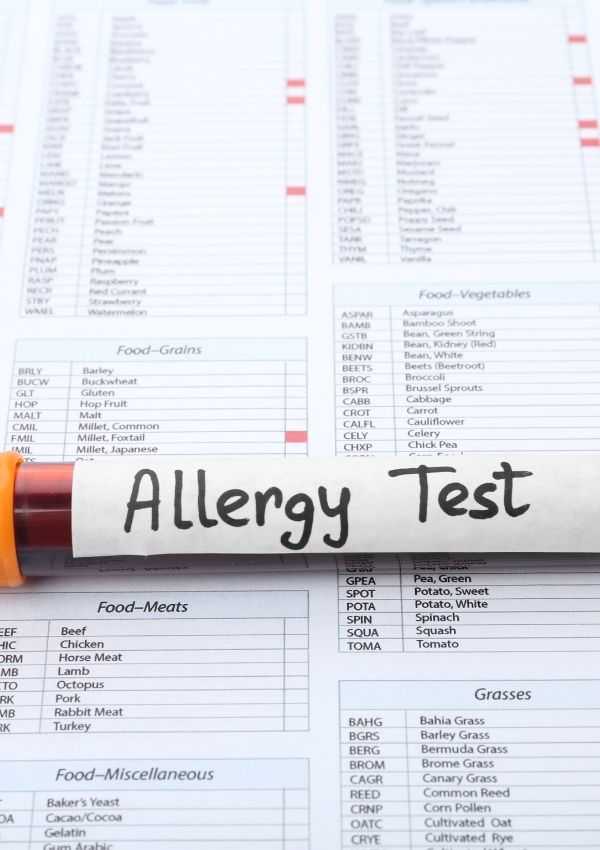
Treatment
Testing is the starting point, not the finish line. Once we know your triggers, we put together a plan that fits your home, your job and your family, then adjust it at follow-up visits.
Plans often start with practical steps, like washing bedding in hot water, keeping pets out of the bedroom or reading food labels closely. Medicines such as antihistamines, decongestants or nasal steroid sprays may be added. Patients with severe allergies get an emergency action plan, and for some people, allergy immunotherapy (shots or drops) may be discussed.
This page is for general education and does not replace a visit with a medical provider.
Patient testimonials
4.4-star rated primary care clinic with 106 Google patient reviews
Rosharon office · Read Google reviews →
The Doctor, nurses and staff are very caring about their patients!!! The wait isn’t long and the office is always clean. I love the way they made my boys feel comfortable during their visit. We will definitely be back.
This is my primary care dr. Ive been going here for years. The staff is like family. Deepak is great and always makes sure to hear all my concerns to keeps me in good health.
Wow! I am absolutely blown away by this urgent care. Everyone was so friendly and caring. I’ve honestly have never been to such a great clinic!! The receptionist Ms. Yaleika was a blessing! Dr. Deepak is amazing and very thorough! He does what an actual doctor is supposed to do. He actually cares and listens and runs the proper test.
Why Careprime
Come in when you need care, or book ahead to shorten your visit.
Many common tests are done right here, so you don’t have to go somewhere else.
Children, teens, adults and seniors in one family clinic.
Most plans accepted, including BCBS, United Healthcare and Cigna. Self-pay rates are listed up front.
Video visits for many follow-ups and minor concerns.
A simple check-in so you spend your time with the provider, not on forms.
Visit us
15030 Highway 6, Rosharon, TX 77583
Mon–Fri 8:00 AM–5:00 PM · Sat 9:00 AM–2:00 PM
(832) 400-2050 · frontoffice@careprimeclinic.com
Close to home for patients in Rosharon, Iowa Colony, Arcola, Manvel, Fresno, Sienna, Pearland, Alvin and Missouri City.
FAQ
Talk to our front office Monday to Friday, 8:00 AM to 5:00 PM.
Yes. Careprime Clinic at 15030 Highway 6 in Rosharon offers allergy testing, and walk-ins are welcome. Calling (832) 400-2050 first is a good idea, since some tests work best when certain medicines are paused ahead of time.
Our listed self-pay price for an allergy test is $450. Office fees may apply, so confirm the total with our front office before your visit. Other self-pay rates are on our Cash Pricing page.
Careprime Clinic works with most insurance plans, including BCBS, United Healthcare and Cigna. Coverage for allergy testing depends on your plan, so check with your insurer or our front office before testing.
A skin prick test places small drops of allergen on the skin and watches for a raised, red bump. A blood test measures IgE antibodies to specific allergens. Blood testing is often used when someone has a skin condition or takes medicines that interfere with skin results.
Antihistamines and some other medicines can block skin test reactions. Ask our team ahead of time which of your medicines matter for the test you’re getting. Don’t stop any prescription medicine unless your provider tells you to.
Yes. Careprime Clinic sees patients of all ages, including children and teens. The provider chooses the test that fits your child’s age, skin and medical history, and parents stay involved at every step.
Yes. Food allergy testing at Careprime may include skin prick and blood tests, along with a detailed food history. If you’ve ever had swelling of the lips, tongue or throat after eating, tell us at check-in.
A patch test checks for contact skin allergies, also called contact dermatitis, from things like metals, fragrances or chemicals. Small patches are placed on the back and usually stay on for about 48 hours before the skin is checked.
Allergies tend to cause itchy eyes, clear drainage and sneezing that come and go with seasons or exposures, usually without fever. Sinus infections more often bring facial pain, thick drainage and sometimes fever. A provider at Careprime can examine you and sort out which one it is.
Most people describe a skin prick test as a light scratch followed by itching at any spots that react. A blood test feels like any routine blood draw. Patch tests don’t hurt, but you’ll need to keep your back dry while the patches are on.
Yes. Careprime offers telemedicine visits that work well for talking through symptoms, reviewing results and refills. The allergy tests themselves are done in person at our Rosharon clinic.
Careprime Clinic is on Highway 6 in Rosharon, close to home for patients in Iowa Colony, Manvel, Arcola, Fresno and Sienna, and families from Pearland, Alvin and Missouri City visit us too. We’re open Monday through Friday 8:00 AM to 5:00 PM, with special Saturday hours 9:00 AM to 2:00 PM.
Health library

Managing arthritis and rheumatoid arthritis in TX requires a combination of medical care, lifestyle strategies, and preventive measures. Understanding symptoms, identifying risk factors, and seeking timely evaluation are crucial for maintaining joint health and overall quality of life.

Thyroid disorders affect millions of people globally, and hypothyroidism is one of the most common conditions impacting thyroid function. In Texas, thyroid disorders and hypothyroidism in TX are frequently diagnosed due to widespread awareness and routine health checkups. Hypothyroidism occurs when the thyroid gland does not produce enough hormones, disrupting metabolism and leading to a […]

Malignant melanoma cancer is one of the most aggressive and potentially life-threatening forms of skin cancer. In regions with high sun exposure, such as Texas, awareness of malignant melanoma cancer in TX is especially important. This condition develops from melanocytes, the cells responsible for producing skin pigment, and can spread rapidly to other parts of […]
Visit Careprime Clinic at 15030 Highway 6, Rosharon, TX 77583, or call (832) 400-2050 to ask about allergy testing.
Call 911 or go to the nearest ER right away for signs of a severe allergic reaction (anaphylaxis):
Do not drive yourself, and do not wait for an office appointment.